IL “VERO VOLTO DI DANTE” PRESSO L’ARTE DEI GIUDICI E DEI NOTAI
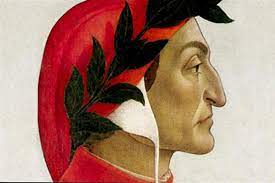
Definito “sommo poeta” e padre della letteratura italiana, tutti noi lo conosciamo come dante Alighieri ma il suo vero nome di battesimo era Durante ed è’ stato Boccaccio a tramandare il suo genio con il nome di Dante Alighieri. L’importanza della figura di Dante risuona ancora oggi con forza, tanto da far apporre il suo volto su alcune banconote italiane prima e sulla moneta da 2 euro poi. La Divina Commedia ha ampiamente influenzato la lingua italiana, tantoche alcune locuzioni usate da Dante sonotuttora utilizzate nel linguaggio comune. “Non ragioniam di lor, ma guarda e passa“, “E quindiuscimmo a riveder le stelle“, “il Bel Paese” e “senza infamia e senza lode“, solo per citare alcuni esempi. Molti sostengono – con buona pace dell’iconografia tradizionale – che Dante non aveva il naso aquilino, questo quanto affiora dagli affreschi recuperati al Palazzo dell’ Arte dei Giudici e dei Notai in Firenze.
THE “TRUE FACE OF DANTE” AT THE ART OF THE JUDGES AND NOTARIES
Called “supreme poet” and father of Italian literature, we all know him as Dante Alighieri but his real baptismal name was Durante and it was Boccaccio who passed down his genius with the name of Dante Alighieri. The importance of the figure of Dante still resounds with force today, so much so that his face is affixed to some Italian banknotes first and then to the 2 euro coin. The Divine Comedy has largely influenced the Italian language, so much so that some phrases used by Dante are still used in the common language. “Don’t reason with them, but look and pass”, “And then we went out to see the stars again”, “the Bel Paese” and “without infamy and without praise”, just to cite some examples. Many argue – with all due respect to traditional iconography – that Dante did not have an aquiline nose, this is what emerges from the frescoes recovered at the Palazzo dell ‘Arte dei Giudici and Notaries in Florence.